
This project has a relevant contribution to the following CERENA strategic areas:
- Physical, Chemical and Biological Processes
Supervisor: Henrique Matos
Co-Supervisor: M. Joana Neiva Correia
The main goals of this PhD project are:
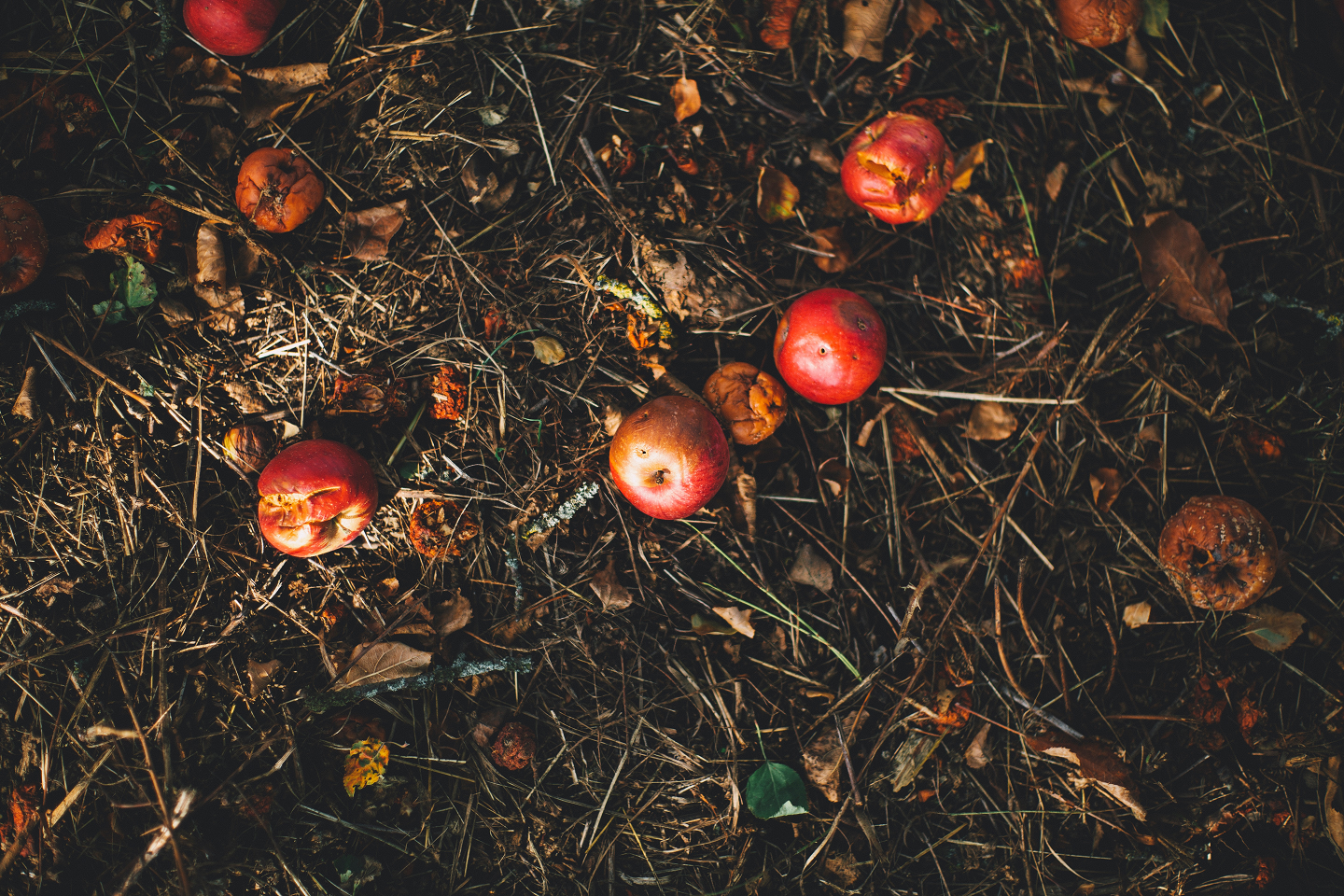
a) Characterization of the major agricultural waste biomasses (WB) in Portugal;
b) Selection the most promising waste biomasses for further studies according to different factors such as cost, availability and product portfolio that can be produced from each one;
c) Selection, test and optimization of the processes to recover the valuable products from the selected WB;
d) Systematic and integrated design/synthesis of a sustainable bioenergy/biorefinery from WB to Products;
e) establishment of the waste biomass supply chain (SC) network design and life-cycle analysis of the process.
The research plan to implement this project is:
Task 1- Selection of waste biomass (WB) feedstocks. Primary WB and respective geographical locations in Portugal will be assessed using multiple data sources;
Task 2- Product portfolio design. Potential value-added products will be carefully screened for each WB. Their attributes/advantages/disadvantages in different application scenarios (direct or novel product, replacement, or intermediate) will be analyzed to select top candidates;
Task 3- The WB will be fully characterized using the conventional analytical techniques as well as spectroscopic methods and chemometrics. The most promising processes to recover the valuable products will be established. The optimum values of the different experimental variables will be established by applying the factorial design approach. The extraction processes and analytical methods for the target compounds will be also investigated. In a circular economy perspective, the valorization/disposal of all streams produced in each stage will be analysed, from value added product to biofuels and possible wastes;
Task 4- Systematic synthesis of sustainable bioenergy/biorefinery from WB. Superstructures of alternative flowsheets related to biomass valorization processes, separation and purification of products will be investigated using optimization techniques and specialized software of mathematical modeling and process simulation;
Task 5- Supply chain design and sustainability analysis. Based on the previous results, a detailed, spatially explicit feedstock optimization will be conducted for the case studies considered. The optimal design of SC will be cast as discrete and continuous-time formulations with either cost optimization, GHG emission minimization, or multi-criteria as an objective function using suitable solvers. LCA will be performed using the ReCiPe assessment method where 18 mid-point environmental impact indicators are assessed and grouped into the most critical ones.
This project has financial support for equipment, consumables, participation in Congress and secondments in the different world places expected on the main goals of the current running MSCA-RISE project called IProPBio that is coordinated at IST by Prof. Henrique Matos. Moreover, this project will strengthen the collaboration with different industrial producers of biomass wates.
The waste biomasses are a natural resource that are not yet widely used, despite their content in high valuable components. The main result of this project is to obtain a bioenergy/biorefinery design that could use waste biomasses and produce a multiproduct and multiperiod schedule of the more valuable components/products replacing the ones produced from conventional fossil sources. Cost-supply curves will be developed to set the relationship of feedstock availability with the delivery cost at the plant site. Targeting or mathematical optimization approaches will be considered for process integration to reduce utility needs and waste generation. Then, techno-economic analyzes will be performed, plant cost models will be constructed for varying production scales. Case studies will be established around the most promising group of feedstocks identified.